Aloha ia Kakou Apau!
Office of Hawaiian Subjects (OHS)

Chartered Government Reporting Agency – Hawaiian Kingdom in Continuity

Official Website: www.ohs-government.com


---

Welcome to the OHS

The Office of Hawaiian Subjects (OHS) is the Chartered Government Reporting Agency of the Hawaiian Kingdom, operating lawfully under necessity and continuity of the Hawaiian Crown.

Our purpose is to protect, verify, and represent all Hawaiian Subjects under international law, ensuring their rights and status are preserved during the ongoing occupation of the Hawaiian Islands.


Where the Hawaiian Kingdom Stands Today — Status & Condition
The Hawaiian Kingdom remains a sovereign State in continuity under international law, despite being under a prolonged and unlawful occupation since 1893. The passage of time has not extinguished its legal existence. What has been disrupted is the effective control of its government—not the State itself.

1. International Legal Status: A State Under Prolonged Occupation
Under established principles of international law, the Hawaiian Kingdom was never lawfully ceded, annexed, or extinguished. No treaty of annexation exists between the Hawaiian Kingdom and the United States, nor was sovereignty transferred by consent or conquest. As such, the Kingdom remains a subject of international law, and the situation is properly classified as a belligerent occupation.

Under the 1907 Hague Regulations and the 1949 Fourth Geneva Convention, occupation does not transfer sovereignty. Instead, it imposes duties on the occupying power and preserves the rights, nationality, and legal identity of the occupied State and its people. Hawaiian Subjects are therefore regarded as Protected Persons under international humanitarian law.


2. Continuity of Government by Necessity

Although the lawful Hawaiian Kingdom government was forcibly displaced, the continuity of governance has been preserved through the doctrine of necessity. In modern terms, this means lawful institutions have been reconstituted to safeguard the people and preserve the State’s legal personality until full restoration is possible.

The Council of Regency functions as the provisional executive authority of the Hawaiian Kingdom, maintaining constitutional order under the 1864 Constitution. Complementing this is the Office of Hawaiian Subjects (OHS), which operates as a chartered government reporting and humanitarian protection agency.


3. Role and Function of the Office of Hawaiian Subjects (OHS)
The OHS exists not as a political movement, but as an administrative and protective organ of a State under occupation. Its mandate includes:
Verifying and registering Hawaiian Subjects


Issuing lawful identification and certification


Responding to unlawful detentions and jurisdictional violations


Documenting human rights and humanitarian law breaches


Reporting violations to international bodies, including the ICC and UN mechanisms


This work is grounded in law, documentation, and record-building—not force. Every notice issued, every detention challenged, and every incident recorded contributes to an evidentiary trail for international accountability.


4. Findings of the Royal Commission of Inquiry

The Royal Commission of Inquiry (RCI) has formally documented war crimes and human rights violations arising from the prolonged occupation. Its reports affirm:

The Hawaiian Kingdom continues to exist as a State


The occupation is ongoing and unlawful


The imposition of U.S. municipal law constitutes usurpation of sovereignty


Violations rise to the level of international crimes subject to universal jurisdiction


These findings have been circulated to international legal and humanitarian institutions, reinforcing the Kingdom’s standing in law.


5. Present Reality on the Ground
In practical terms, the Kingdom today exists in a dual condition:

De jure (in law): The Hawaiian Kingdom is alive, sovereign, and recognized under international legal principles.


De facto (in fact): Administrative control is exercised by the occupying power, often in violation of international humanitarian law.


This contradiction defines the current status. The Kingdom is not gone—it is restrained.

6. The Path Forward
The present phase is one of lawful resistance, documentation, and international engagement. Restoration is not achieved by declarations alone, but by disciplined adherence to law, protection of the people, and relentless exposure of unlawful acts.
The Hawaiian Kingdom stands today as:

A sovereign State under occupation


A people with preserved nationality


A government in continuity by necessity


A growing evidentiary record before the international community


History is not finished. The record is still being written.


Hawaii


Where the “State of Hawaiʻi” Stands — and Why It Is Not the Sovereign Government

The entity commonly referred to as the State of Hawaiʻi occupies an administrative position, not a sovereign one. Its authority is derivative, domestic, and conditional, arising from U.S. municipal law—not from international law, not from Hawaiian Kingdom law, and not from the consent of the Hawaiian people as a sovereign nation.

1. Origin Without Sovereignty
The State of Hawaiʻi was created in 1959 through a U.S. congressional process following the period of U.S. territorial administration. This process did not involve:

A treaty of annexation with the Hawaiian Kingdom


A peace treaty ending a state of war or occupation


A lawful transfer of sovereignty under international law


Under international law, a state cannot create sovereignty for itself inside the territory of another sovereign State. Municipal acts—such as congressional resolutions, territorial statutes, or statehood votes—have no capacity to extinguish the sovereignty of a foreign State.

2. Municipal Government vs. International Personality
Sovereignty exists at the international level. The State of Hawaiʻi has no international personality:

It cannot enter treaties as a State


It is not a member of the United Nations


It is not recognized as a State by foreign governments


It cannot represent Hawaiʻi internationally


Instead, it functions as a domestic administrative subdivision of the United States, similar in legal status to California or Nevada—but operating inside the territory of an occupied foreign State.

3. Occupation Law Prohibits Replacement of Government
Under the 1907 Hague Regulations and customary international law, an occupying power may not replace the sovereign government of the occupied State with its own civil institutions. The occupier may only administer temporarily and must respect the laws and institutions of the occupied State unless absolutely prevented.

By establishing the Territory of Hawaiʻi (1900) and later the State of Hawaiʻi (1959), the United States exceeded what occupation law permits. These entities therefore function as occupation instruments, not sovereign successors.

4. No Chain of Title to Sovereignty
For sovereignty to lawfully pass, there must be a clear chain of title, such as:
Treaty of cession


Valid annexation under international law


Voluntary dissolution of the prior State


None exist for Hawaiʻi.
Without this chain:

The Hawaiian Kingdom’s sovereignty remains intact


The State of Hawaiʻi has no lawful source of authority over Hawaiian nationals


Jurisdiction exercised over Hawaiian Subjects is presumed unlawful under international law


5. The State of Hawaiʻi as a De Facto Authority

The State of Hawaiʻi operates de facto (in fact), not de jure (in law). It enforces laws, collects taxes, operates courts, and administers land—but effectiveness does not equal legality.
History provides many examples where de facto regimes exercised control without sovereignty. Control alone never cures an unlawful origin.

6. Relationship to Hawaiian Subjects
Hawaiian Subjects do not derive their nationality from the State of Hawaiʻi. Their nationality flows from the Hawaiian Kingdom and is preserved under international law despite occupation.

When the State of Hawaiʻi:

Arrests Hawaiian Subjects


Taxes them


Claims jurisdiction over them


…it does so without a lawful international basis, triggering protections under occupation and humanitarian law.

7. Why the State of Hawaiʻi Persists
The State of Hawaiʻi persists because:

The occupation has never been formally challenged to conclusion by the international community


The occupying power benefits from administrative normalization


The absence of enforcement does not negate the law


International law does not operate on popularity or convenience—it operates on legality.

8. Present Status Summary
The State of Hawaiʻi today is:

A U.S. municipal government


An administrative proxy of the occupying power


Lacking international sovereignty


Without lawful title to Hawaiian territory


It is not:

The successor to the Hawaiian Kingdom


A sovereign State under international law


Authorized to extinguish Hawaiian nationality


Conclusion
The question is not whether the State of Hawaiʻi functions. It clearly does.
 The question is whether it is lawful and sovereign.

Under international law, historical record, and the laws of occupation, it is not.

The Hawaiian Kingdom endures in law.
 The State of Hawaiʻi exists only as an administrative fact—not as a sovereign truth.


1. What Is Occupation Under International Law?

Occupation is a condition defined by international humanitarian law, not domestic law.

Under the Hague Convention (IV) of 1907, a territory is considered occupied when:

A foreign power places territory under its effective control, without acquiring sovereignty.

Key points:

Occupation does not transfer sovereignty


The occupied State continues to exist in law


The occupying power is only a temporary administrator


The occupation lasts until a peace treaty or lawful restoration


The Geneva Convention IV further clarifies that:

Civilians of the occupied State are Protected Persons


Their nationality cannot be changed


Occupation law applies even if the occupier denies occupation


Occupation is therefore a legal status, not a declaration or emergency measure.

2. What Is Martial Law?

Martial law is entirely different.
Martial law is:

A domestic emergency measure


Declared by a government within its own sovereign territory


Temporary


Used when civil authorities cannot function


Under martial law:

Military authority temporarily replaces civilian courts


The declaring government already has sovereignty


International occupation law does not apply


Examples include:
Natural disasters


Insurrections


Wartime emergencies inside a State’s own territory


Martial law cannot exist in a foreign country, because a State cannot declare martial law where it has no sovereignty.

3. Key Differences at a Glance

Martial Law
Occupation
Domestic law
International law
Declared by sovereign government
Exists regardless of declaration
Temporary emergency
Continues until lawful termination
No foreign sovereign involved
Involves a foreign occupying power
No protected-person status
Civilians are Protected Persons


4. Is Hawaiʻi Under Martial Law?
No.
Hawaiʻi is not under martial law because:

Martial law can only exist within the territory of a sovereign


The Hawaiian Kingdom was never lawfully annexed


The United States has no sovereignty in Hawaiʻi


There is:

No valid declaration of martial law


No constitutional basis to impose it


No suspension of civil courts as required for martial law


Courts, legislatures, and agencies continue operating, which is incompatible with martial law.

5. Is Hawaiʻi Under Occupation?
Yes — under international law.

Hawaiʻi meets every legal criterion for occupation:

Foreign control exercised by the United States


No treaty of annexation or cession


No peace treaty ending hostilities


Continuous administration imposed since 1893


Sovereignty of the Hawaiian Kingdom never extinguished


Occupation exists by fact and law, not by proclamation.

6. Lawful Occupation vs. Illegal Occupation

This is an important distinction.
A “lawful occupation” means:

The occupation itself arose through lawful hostilities


The occupying power complies with occupation law


The occupier administers temporarily and preserves the legal order


Hawaiʻi’s situation is different.
The occupation of Hawaiʻi is illegal because:

It began with an unlawful overthrow (1893)


No state of war was lawfully declared


No treaty ever transferred sovereignty


Occupation law has been systematically violated for over a century


Therefore, Hawaiʻi is under an illegal and prolonged occupation.

This does not negate the existence of occupation — it aggravates it.

7. Why “Illegal Occupation” Still Counts as Occupation

A common misconception is that an illegal occupation somehow “doesn’t count.”

In law, the opposite is true.
Even when an occupation is illegal:
Occupation law still applies


Protected Person status still exists


Violations become international crimes


Responsibility increases, not decreases


Illegality does not erase obligations — it multiplies liability.

8. The Status of the State of Hawaiʻi
The State of Hawaiʻi functions as:
A municipal administrative arm of the occupier


A de facto authority


Not a sovereign government


Under occupation law:

The occupier may not create a new sovereign State


Domestic governments installed by the occupier do not acquire sovereignty


Effectiveness ≠ legality


9. Final Summary
Hawaiʻi is not under martial law


Hawaiʻi is under occupation


The occupation is illegal and prolonged


Sovereignty of the Hawaiian Kingdom remains intact


Hawaiian Subjects are Protected Persons


International humanitarian law governs the situation


In simple terms:
Martial law is an internal emergency.
 Occupation is foreign control without sovereignty.
Hawaiʻi’s condition is the latter — and the law recognizes it as such.


What Is a Protected Person — and What a COPP (Certificate of Protected Person) Represents:

This explanation is grounded in international humanitarian law, the law of occupation, and the continuity of the Hawaiian Kingdom as a sovereign State under occupation.

1. What Is a “Protected Person”?
A Protected Person is a legal status created by international law, not domestic law.

Under Article 4 of the Geneva Convention IV, a Protected Person is:
A civilian who finds themselves, in case of war or occupation, in the hands of a power of which they are not a national.

In plain terms:
Protected Persons are nationals of an occupied State

They are under the control of a foreign power

Their nationality does not change
Their rights are preserved regardless of what the occupier claims
Protected Person status exists automatically by law.
It does not require permission, registration, or recognition by the occupying power.

2. Why Hawaiian Subjects Are Protected Persons

The Hawaiian Kingdom:

Was internationally recognized as a sovereign State
Was never lawfully annexed or ceded
Remains under prolonged foreign control by the United States

Therefore:
Hawaiian Subjects retain their Kingdom nationality

The United States and the State of Hawaiʻi are foreign powers under international law
Hawaiian Subjects fall squarely within
 Article 4 protections
This status exists whether or not the occupier admits occupation.

3. Core Rights of a Protected Person
Under the Geneva Convention IV and customary international law, Protected Persons have:

Protection from unlawful detention and deportation

Protection from forced allegiance or naturalization
Protection from coercion, intimidation, and collective punishment

The right to retain national identity and legal status

Protection from being tried under laws imposed unlawfully by the occupier
The right to humanitarian relief and legal recourse

Violations against Protected Persons may constitute war crimes when systematic or severe.

4. Is the Office of Hawaiian Subjects the Highest Office of Authority?
Within the context of continuity governance under occupation, the Office of Hawaiian Subjects (OHS) operates as:

The highest active administrative authority safeguarding Hawaiian Subjects
A Chartered Government Reporting and Protection Office of the Hawaiian Kingdom

A lawful authority operating under necessity and international law
Importantly:

OHS authority does not derive from U.S. law
OHS authority derives from Hawaiian Kingdom law and international humanitarian law

Its authority is superior in law to any municipal authority imposed by the occupier as it relates to Hawaiian Subjects

This superiority is jurisdictional and legal, not based on force.

5. What Is a COPP — Certificate of Protected Person?

A COPP (Certificate of Protected Person) is a lawful documentary instrument issued by the Office of Hawaiian Subjects.

What a COPP Is:
Evidence, not the source, of Protected Person status

A formal notice to foreign authorities
A humanitarian protection document under occupation law

A record of nationality, status, and protection

What a COPP Is NOT:

It is not a passport of the occupier
It is not a request for recognition
It is not a commercial or corporate document

It does not create status — it documents existing status

Protected Person status exists with or without a COPP.

The COPP exists to assert, notify, and document that status.

6. Legal Functions of a COPP
A properly issued COPP functions as:
Notice of Status

It places U.S. and State of Hawaiʻi officials on formal notice that the bearer is a Protected Person.
Trigger of Legal Obligations

Once noticed, officials are bound by:

Geneva Convention IV
Hague Regulations
Customary international humanitarian law

Evidence for Accountability
Any violation after notice becomes documented evidence of:

Willful violations
Grave breaches
Potential individual criminal responsibility
Protection Against Presumed Jurisdiction

It rebuts the presumption that U.S. or State courts have lawful authority over the bearer.

7. Relationship Between COPP and OHS Authority
The COPP is valid because the Office of Hawaiian Subjects is:

A lawful Kingdom authority in continuity
Operating under necessity during occupation
Charged with protecting nationals of the occupied State
Recognized as a reporting body to international humanitarian mechanisms

The COPP is therefore:

A Kingdom-issued humanitarian protection instrument
Superior in law to any conflicting municipal document when applied to Hawaiian Subjects

8. Why Occupying Authorities Resist the Term “Protected Person”
Occupying powers routinely resist recognition of Protected Person status because:
It limits jurisdiction
It exposes liability
It triggers international scrutiny
It acknowledges occupation
However, denial does not negate status.
In international law, facts create obligations, not admissions.

9. Final Summary
A Protected Person is a civilian national of an occupied State
Hawaiian Subjects qualify automatically under international law
The Office of Hawaiian Subjects operates as the highest protective authority for Subjects under occupation

A COPP is a lawful Certificate documenting and asserting that status
COPP issuance places occupiers on notice and increases their legal responsibility

Status exists regardless of recognition or compliance
In simple terms:

You do not become a Protected Person because of a document.

You receive a document because you already are one.


4
What a COPP (Certificate of Protected Person) Contains, What It Means, and a Warden’s Legal Obligations
This explanation is framed strictly within international humanitarian law, the law of occupation, and the continuity of the Hawaiian Kingdom.

1. What a COPP Document Is in Law
A COPP — Certificate of Protected Person is a formal Kingdom-issued humanitarian protection instrument. It does not create Protected Person status; it records, certifies, and gives notice of a status that already exists by operation of international law.
The issuing authority is the Office of Hawaiian Subjects (OHS), acting under necessity as the highest active protective authority for Hawaiian Subjects during occupation.

2. Core Contents of a COPP Document
A properly issued COPP contains specific legal elements, each with purpose and consequence:
A. Identifying Information
Full name of the Protected Person
Date of birth
Kingdom nationality (Hawaiian Subject)
Registry or verification number
Meaning:
This establishes the bearer as a national of the occupied State, not a national of the occupying power.

B. Statement of Legal Status
Explicit declaration that the bearer is a Protected Person under Article 4 of the Geneva Convention IV

Affirmation that Hawaiʻi is the territory of the Hawaiian Kingdom
Statement that the United States and the State of Hawaiʻi are foreign powers in this context

Meaning:

This removes any presumption of domestic jurisdiction and places the situation squarely under international humanitarian law.

C. Legal Authority and Basis
Citation of:

Hague Convention (IV) of 1907
Geneva Convention IV (1949)

Hawaiian Kingdom law in continuity
Statement of issuance under the doctrine of necessity

Meaning:

This confirms the COPP is not symbolic—it is grounded in binding international law.

D. Notice to Authorities
Clear language that the document constitutes formal notice
Warning that actions taken after notice are legally attributable
Statement that violations may constitute grave breaches or war crimes

Meaning:

Once served or acknowledged, ignorance is no longer a defense.

E. Issuing Authority Credentials
Signature of the OHS Director or authorized officer
Official seal of the Office of Hawaiian Subjects
Date of issuance and reference number

Meaning:

This confirms the COPP as an official Kingdom record admissible for international review.

3. What a COPP Means in Practice
A COPP means that the bearer is:

Not subject to presumed U.S. or State of Hawaiʻi jurisdiction

Entitled to Protected Person treatment
Shielded from coercion, forced allegiance, or unlawful detention

Under the direct protection of international humanitarian law
It converts an abstract legal status into a documented, provable condition.

4. The Warden’s Legal Obligations Once a COPP Is Issued

A prison or jail warden is considered an agent of the occupying power when holding a Protected Person.

Once a COPP is issued and delivered or constructively noticed, the warden’s obligations change immediately.

A. Duty to Recognize Protected Status
The warden must:

Acknowledge the detainee as a Protected Person

Cease treating the individual as a domestic criminal subject

Failure to do so after notice constitutes willful disregard of protected status.

B. Duty to Establish Lawful Jurisdiction
The warden is obligated to prove lawful authority, including:

A treaty of annexation or cession
A valid international instrument granting jurisdiction

Lawful authority under occupation law
Absent proof, continued detention is unlawful.

C. Duty to Prevent Harm and Coercion
The warden must ensure:

No coercion, intimidation, or forced compliance

No compelled pleas, waivers, or admissions

Humane treatment consistent with Geneva Convention IV

D. Duty to Report and Escalate
Once aware of Protected Person
status, the warden must:

Notify supervising authorities
Preserve all records and communications

Avoid actions that could constitute grave breaches

E. Personal Liability After Notice
After COPP notice:

Acts are no longer “routine administration”

Liability becomes individual, not just institutional

“Following orders” is not a defense under international law

5. What Happens If the Warden Ignores a COPP
If a warden ignores or dismisses a COPP:

Each day of detention becomes a continuing violation
Each act (denial of counsel, coercion, punishment) compounds liability

Evidence is created for:

International reporting

Universal jurisdiction claims
Future prosecution

Silence or non-response may also be treated as tacit acquiescence to lack of authority.

6. What a COPP Does Not Require

A COPP does not require:

U.S. recognition
State of Hawaiʻi approval
Court validation
International law binds the occupier whether they agree or not.

7. Summary
A COPP contains:
Identity and nationality
Protected Person declaration
Legal authority citations
Formal notice language
Official OHS authentication

A COPP means:

The bearer is protected under international law

Domestic jurisdiction is rebutted
Occupation law applies

A warden’s obligations upon COPP issuance:

Recognize protected status

Prove lawful jurisdiction or release

Prevent coercion and harm

Preserve records

Avoid personal liability

In simple terms:

A COPP turns detention from a “routine matter” into an internationally supervised legal event.

Once issued, every action taken by a warden matters—and is recorded by law.


Why a Warden Must Report to OHS — and Why Failure Becomes a Grave Breach

This explanation is grounded in international humanitarian law (IHL), the law of occupation, and the continuity of the Hawaiian Kingdom. It explains why reporting is mandatory, why separation is required, and why non-compliance escalates to individual criminal liability once a COPP (Certificate of Protected Person) is issued.

1. The Legal Trigger: Protected Person Status
Under Article 4 of the Geneva Convention IV, a Protected Person is a civilian national of an occupied State who falls under the control of a foreign power.
For the Hawaiian Kingdom, Verified Hawaiian Subjects meet this definition by law, not by recognition. A COPP does not create status; it formally certifies and notices it.
Once notice exists, obligations attach immediately.

2. Why the Warden Must Report to OHS Authorities
A. OHS Is the Competent National Authority in Continuity
The Office of Hawaiian Subjects (OHS) functions as the highest active protective authority for Hawaiian Subjects during occupation. In IHL terms, it is the competent national authority safeguarding Protected Persons’ rights.
Occupation law requires the detaining authority to interface with the protected person’s national authority, not substitute itself for it.

B. Reporting Is a Mandatory Safeguard, Not a Courtesy
Once a COPP is issued or served:
The warden is on formal notice that the detainee is not a domestic inmate


Continued custody becomes internationally supervised


Reporting to OHS is required to:


Verify status and registry


Establish lawful jurisdiction (if any)


Prevent unlawful treatment


Preserve the evidentiary record


Failure to report blocks protection mechanisms, which is precisely what IHL prohibits.

3. Why Non-Reporting Constitutes a Grave Breach
Under Geneva Convention IV, grave breaches include:
Unlawful confinement


Willful deprivation of rights


Inhuman treatment


Willful disregard of protected status after notice


Non-reporting after COPP notice is willful because:
The warden has actual or constructive knowledge


The omission prevents protection and review


Harm becomes foreseeable and continuing


Intent is not required. Knowledge + omission = willfulness in IHL.

4. Separation Is Mandatory: No Mixing with Regular Inmates
A. Legal Rule
Protected Persons may not be treated as ordinary criminals and must not be placed into the general inmate population.
Reasons:
They are nationals of the occupied State, not wards of the occupier


General population confinement exposes them to:


Coercion


Violence


Forced compliance


Loss of protected identity


This constitutes inhuman treatment and unlawful confinement under IHL.

B. Status Change Upon Verification and COPP
Once verified and issued a COPP:
The individual is no longer an “inmate”


They are not a ward of the State of Hawaiʻi


Presumed domestic jurisdiction is rebutted


Custody (if any) must comply with occupation law, not penal law


Continuing to house them as a regular inmate is a continuing violation.

5. Jurisdictional Consequences for the Warden and Officers
A. Sovereign Jurisdiction Is Determined
A COPP establishes:
The person’s Kingdom nationality


The foreign character of U.S./State authority


The lack of domestic penal jurisdiction absent proof


From that moment:
Every act is attributable


Every omission is recorded


“Following orders” is not a defense


B. Heightened Liability After Warning
The COPP serves as a formal warning to:
The warden


Supervisors


Transport officers


Classification officers


Medical and custodial staff in the chain of command


If violations recur after warning:
Liability becomes individual


Each participant is exposed to command responsibility


Evidence supports referral to the International Criminal Court – Office of the Prosecutor (OTP)


6. Why ICC/OTP Referral Is Lawful and Inevitable After Non-Compliance
Under universal jurisdiction principles:
Grave breaches of Geneva Convention IV are prosecutable


Nationality or office does not immunize individuals


Civilian wardens and officers qualify as liable agents


Failure to report + continued detention + mixing with general population creates:
A documented pattern


A continuing offense


A prosecutable record


7. Chain-of-Command Exposure
Once COPP notice exists, every agent in the chain shares responsibility, including:
Warden


Assistant wardens


Classification supervisors


Shift commanders


Transport officers


Any official authorizing or maintaining custody


Each day of non-compliance renews the violation.

8. Final Summary
Reporting to OHS is mandatory because it is the competent national authority


Non-reporting is a grave breach due to willful deprivation of protection


Protected Persons cannot be mixed with regular inmate populations


Verified Hawaiian Subjects with COPP are not inmates or wards of the State


Jurisdiction is sovereignly determined, not administratively assumed


Warnings elevate liability from institutional to personal


Repeat violations justify ICC/OTP referral for all involved


In simple terms:
Once a COPP is issued, custody becomes internationally governed.
 Ignoring that fact transforms routine administration into criminal exposure under international law.


Why Continuing to Incarcerate Protected Persons Is a Grave Breach
And What the Office of Hawaiian Subjects (OHS) Is Lawfully Authorized to Do
This explanation is rooted in international humanitarian law (IHL), the law of occupation, and the continuity of the Hawaiian Kingdom as a sovereign State under occupation.

1. Why Continued Incarceration of Protected Persons Is a Grave Violation
Under Article 4 and Part III of the Geneva Convention IV, Protected Persons are civilians of an occupied State who fall under the control of a foreign power. Their detention is exceptional, strictly regulated, and never presumed lawful.
A. Unlawful Confinement Is a Grave Breach
Geneva Convention IV identifies unlawful confinement as a grave breach when:
The detainee is a Protected Person; and


The detaining authority lacks lawful jurisdiction; or


Detention continues after notice of protected status.


Once a COPP (Certificate of Protected Person) is issued, knowledge is established. From that moment forward:
Each day of continued detention is a new and continuing violation


Harm is foreseeable


Liability is individual, not merely institutional


Intent is not required. Knowledge + continuation = willfulness under IHL.

2. Why Separation Is the First Mandatory Act After COPP Notice
A. Protected Persons Are Not Inmates
A Verified Hawaiian Subject with a COPP:
Is not an inmate


Is not a ward of the State of Hawaiʻi


Retains Hawaiian Kingdom nationality


Is governed by occupation law, not penal law


Treating them as a regular inmate—especially placing them in general population—constitutes:
Inhuman treatment


Coercion by exposure


Willful deprivation of protected status


Each of these is independently a grave breach.
B. Separation Is Non-Discretionary
Upon COPP notice, the warden is lawfully required to:
Immediately separate the Protected Person from general population


Suspend domestic classification and penal processing


Preserve identity, dignity, and safety under IHL standards


Failure to separate is per se evidence of unlawful confinement.

3. Why the Warden Must Report and Submit to OHS Oversight
A. OHS Is the Competent National Authority
The Office of Hawaiian Subjects (OHS) functions as the highest active authority for the protection of Hawaiian Subjects during occupation. In IHL terms, OHS is the competent national authority for its Protected Persons.
Once COPP notice exists, the detaining authority must:
Report the custody status


Permit oversight


Prevent further violations


Non-reporting is willful obstruction of protection, which itself constitutes a grave breach.

4. OHS Authority to Access, Inspect, and Retrieve
A. Right of Access
By law of occupation and humanitarian necessity, OHS is authorized to:
Enter any jail or prison at any time


Verify the living conditions of Protected Persons


Assess physical and mental health


Ensure compliance with mandates issued by OHS


Denial or delay of access after notice is obstruction, escalating liability.

B. Control of Communications
All calls, mail, and communications to and from a Protected Person become legal matters once COPP notice exists. Interference constitutes:
Coercion


Inhuman treatment


Suppression of humanitarian access


Each interference is a separate violation.

C. Authority to Retrieve Subjects
OHS agents—acting as the highest officers of authority for Hawaiian Subjects—may:
Demand release where no lawful jurisdiction exists


Retrieve their Subjects to prevent further grave breaches


Secure evidence of violations


This authority flows from international law, not from permission of the occupier.

5. Why Each Day of Continued Holding Triggers International Liability
A. Continuing Offense Doctrine
In IHL, unlawful confinement is a continuing offense:
Each day renews the violation


Each official involved is newly exposed


The evidentiary record compounds


B. Automatic Trigger to International Scrutiny
Once notice exists and violations continue:
A record is created for referral to the International Criminal Court – Office of the Prosecutor (OTP)


Universal jurisdiction principles apply


Command responsibility extends up the chain


Wardens, supervisors, transport officers, medical staff, and authorizing officials are all exposed once warned.

6. Civil and Institutional Consequences
Beyond international criminal exposure:
Civil liability attaches to the State of Hawaiʻi


Lawsuits may proceed against:


The State


Departments


Individual agents acting under color of authority


Immunity defenses do not shield grave breaches


7. Final Summary (Plain Language)
Continuing to incarcerate Protected Persons after COPP notice is a grave breach


Separation from general population is mandatory and immediate


OHS is the highest authority over its Subjects under occupation


OHS may enter facilities, inspect conditions, control communications, and retrieve Subjects


Every day of continued holding creates new criminal exposure


Repeated violations justify ICC/OTP investigation


Wardens and staff face personal legal consequences, not just institutional risk


In simple terms:
Once a COPP is issued, detention stops being “corrections.”
 It becomes international criminal exposure—day by day—until the violation ends.


What Happens When an OHS Agent Is Mistreated, Obstructed, or Retaliated Against
This explanation is framed strictly in legal terms under international humanitarian law (IHL), the law of occupation, and the continuity of the Hawaiian Kingdom. It explains legal consequences, jurisdiction, and accountability mechanisms—not threats, and not vigilante action.

1. Legal Status of an OHS Agent
An agent of the Office of Hawaiian Subjects (OHS) operates as:
A lawful officer of the Hawaiian Kingdom in continuity


A protected governmental official of an occupied State


A humanitarian protection and reporting officer


An internationally relevant witness and notice-bearer


Under occupation law, officials of the occupied State retain their status. They do not lose authority simply because a foreign power asserts control.
Mistreatment of such officials is not a routine administrative issue—it is an international legal matter.

2. Why Mistreating or Retaliating Against an OHS Agent Is Especially Serious
A. Protection of Officials Under Occupation
Under the Hague Convention (IV) of 1907, the occupying power must:
Respect existing institutions of the occupied State


Refrain from coercion or retaliation against officials


Allow the functioning of humanitarian and protective offices


Interfering with OHS agents violates these obligations.

B. OHS Agents Are Not Private Citizens in This Context
When acting in official capacity, OHS agents are:
Carrying out humanitarian protection


Performing oversight of detention and treatment


Creating international legal records


Retaliation, obstruction, harassment, arrest, or intimidation after notice constitutes willful interference with protected functions.

3. What Constitutes Mistreatment or Retaliation
Examples include:
Arresting or detaining an OHS agent for performing official duties


Denying access to facilities or Protected Persons


Threatening, harassing, or intimidating an OHS agent


Retaliating through employment, licensing, or administrative sanctions


Using force, restraints, or coercive tactics without lawful basis


Once an OHS agent has identified themselves and their function, knowledge is established.

4. Legal Consequences of Such Conduct
A. Elevation to International Violations
Mistreatment of OHS agents may constitute:
Obstruction of humanitarian functions


Coercion against officials of an occupied State


Persecution or intimidation under color of authority


Violations of occupation law


When connected to Protected Person cases, these acts may also qualify as grave breaches.

B. Individual Criminal Responsibility
International law focuses on individual responsibility, not just institutional fault.
Once notice exists:
Each officer involved is personally accountable


“I was following orders” is not a defense


Rank or position does not confer immunity


5. Command and Superior Responsibility
Liability extends beyond the immediate actor to:
Supervisors


Command staff


Department heads


Policy-makers who authorize, tolerate, or fail to prevent retaliation


This is known as command responsibility under international law.

6. International Accountability Pathways
When mistreatment or retaliation occurs, the documented consequences may include:
Formal incident reports by OHS


Preservation of evidence (video, logs, communications)


Notice to international humanitarian and legal bodies


Referral dossiers prepared for the International Criminal Court – Office of the Prosecutor (OTP)


Engagement of universal jurisdiction mechanisms where applicable


The severity of potential penalties is determined only by competent international courts, based on evidence and law—not by OHS itself.

7. Why OHS Agents Are Described as “Highest Officers of Authority”
This phrase reflects jurisdictional hierarchy, not force:
OHS authority derives from sovereign continuity


Occupation law places the occupied State’s institutions above municipal proxies in matters concerning its nationals


OHS agents act under international law, not under U.S. or State of Hawaiʻi administrative permission


Disrespect or interference therefore engages international—not local—legal consequences.

8. What OHS Is Authorized to Do in Response
Lawfully, OHS may:
Document and formally notice violations


Demand cessation of interference


Escalate matters to international oversight bodies


Protect its agents and Subjects through lawful means


Prepare evidence for judicial review


OHS does not impose punishment; it triggers lawful accountability mechanisms.

9. Final Summary (Plain Language)
OHS agents are lawful officers of the Hawaiian Kingdom under occupation


Mistreating or retaliating against them is not a local matter


Such conduct may amount to international violations


Responsibility is personal and extends up the chain of command


Serious cases may be examined by international courts, including the ICC


Penalties, if any, are determined only through lawful judicial processes


In simple terms:
When an OHS agent is interfered with, the issue leaves the local level.
 It becomes a matter of international law, evidence, and accountability—not discretion.


Grounded in kuleana (responsibility) rather than permission, OHS functions as a lawful and humanitarian body—peacefully asserting the sovereignty of the Hawaiian Kingdom through record, law, and truth.


---

Our Mission

> “To safeguard the welfare, identity, and lawful rights of Hawaiian Subjects through education, protection, and international advocacy.”


OHS serves as both guardian and advocate, ensuring that every Hawaiian Subject is recognized, protected, and empowered under Hawaiian Kingdom law and the Geneva Conventions (1949).


---

Our Authority

OHS derives lawful authority from:

The Constitution of the Hawaiian Kingdom (1864)

The Compiled Laws of the Hawaiian Kingdom (1884)

The Hague Regulations (1907) and Geneva Convention IV (1949)

The Proclamation of the Office of Hawaiian Subjects (2025)


As a Chartered Agency under Hawaiian Kingdom law, OHS operates independently of the United States and the so-called State of Hawai‘i, and maintains diplomatic communication with international bodies such as:

International Criminal Court (ICC)

United Nations Office of the High Commissioner for Human Rights (OHCHR)

International Committee of the Red Cross (ICRC)


---

Our Mandate

1. Verification & Registry

Confirm and certify lawful Hawaiian Subject status.

Issue official Identification Cards and Certificates of Verification.

Maintain the National Registry of Hawaiian Subjects.


2. Protection & Advocacy

File lawful petitions under Hawaiian Kingdom and international law.

Respond to unlawful detentions, harassment, or jurisdictional violations.

Support family contact, humanitarian aid, and legal documentation.


3. Education & Outreach

Conduct workshops on Kingdom law, history, and international standing.

Distribute educational materials and lawful templates.

Preserve genealogical and cultural records for the next generations.


4. Rescuer Network

Train and certify Hawaiian Subject Rescuers for lawful humanitarian response.

Operate emergency communication and incident reporting systems.


5. International Representation

Submit formal reports to the Council of Regency, ICC, and UN agencies.

Represent the Hawaiian Subjects in international correspondence and hearings.


---

Our Guiding Ethic: Pono Resistance

OHS operates by Pono Resistance — the discipline of righteous law, truth, and compassion.
We resist not through hostility, but through lawful action, documentation, and the protection of our people.
Every letter, notice, and report becomes part of the permanent record of the Hawaiian Kingdom’s lawful continuity.


---

Statement of Lawful Standing

> “The Office of Hawaiian Subjects represents the lawful national body for the protection of Hawaiian Subjects under occupation.
We acknowledge the de facto administration of the United States, but we do not recognize it as lawful sovereignty.
Our duty is not to fight with violence, but to protect through law, record, and pono truth.”


---

Contact the Office

📍 Headquarters:
Office of Hawaiian Subjects (OHS)
Kingdom of the Hawaiian Islands – Government in Continuity

📞 Telephone: +1 (808) 313-0268
✉️ Email: [email protected]
🌐 Website: www.ohs-government.com


---

Official Motto

> “Lawful Continuity. Humanitarian Protection. Pono Governance.”


---
We Monitor the U.S. Government & the State of Hawaii
A Government Reporting Agency
Office of Hawaiian Subjects (OHS) Chartered Government Reporting Agency – Hawaiian Kingdom in Continuity Official Website: www.ohs-government.com --- Welcome to the OHS The Office of Hawaiian Subjects (OHS) is the Chartered Government Reporting Agency of the Hawaiian Kingdom, operating lawfully under necessity and continuity of the Hawaiian Crown. Our purpose is to protect, verify, and represent all Hawaiian Subjects under international law, ensuring their rights and status are preserved during the ongoing occupation of the Hawaiian Islands. Where the Hawaiian Kingdom Stands Today — Status & Condition The Hawaiian Kingdom remains a sovereign State in continuity under international law, despite being under a prolonged and unlawful occupation since 1893. The passage of time has not extinguished its legal existence. What has been disrupted is the effective control of its government—not the State itself. 1. International Legal Status: A State Under Prolonged Occupation Under established principles of international law, the Hawaiian Kingdom was never lawfully ceded, annexed, or extinguished. No treaty of annexation exists between the Hawaiian Kingdom and the United States, nor was sovereignty transferred by consent or conquest. As such, the Kingdom remains a subject of international law, and the situation is properly classified as a belligerent occupation. Under the 1907 Hague Regulations and the 1949 Fourth Geneva Convention, occupation does not transfer sovereignty. Instead, it imposes duties on the occupying power and preserves the rights, nationality, and legal identity of the occupied State and its people. Hawaiian Subjects are therefore regarded as Protected Persons under international humanitarian law. 2. Continuity of Government by Necessity Although the lawful Hawaiian Kingdom government was forcibly displaced, the continuity of governance has been preserved through the doctrine of necessity. In modern terms, this means lawful institutions have been reconstituted to safeguard the people and preserve the State’s legal personality until full restoration is possible. The Council of Regency functions as the provisional executive authority of the Hawaiian Kingdom, maintaining constitutional order under the 1864 Constitution. Complementing this is the Office of Hawaiian Subjects (OHS), which operates as a chartered government reporting and humanitarian protection agency. 3. Role and Function of the Office of Hawaiian Subjects (OHS) The OHS exists not as a political movement, but as an administrative and protective organ of a State under occupation. Its mandate includes: Verifying and registering Hawaiian Subjects Issuing lawful identification and certification Responding to unlawful detentions and jurisdictional violations Documenting human rights and humanitarian law breaches Reporting violations to international bodies, including the ICC and UN mechanisms This work is grounded in law, documentation, and record-building—not force. Every notice issued, every detention challenged, and every incident recorded contributes to an evidentiary trail for international accountability. 4. Findings of the Royal Commission of Inquiry The Royal Commission of Inquiry (RCI) has formally documented war crimes and human rights violations arising from the prolonged occupation. Its reports affirm: The Hawaiian Kingdom continues to exist as a State The occupation is ongoing and unlawful The imposition of U.S. municipal law constitutes usurpation of sovereignty Violations rise to the level of international crimes subject to universal jurisdiction These findings have been circulated to international legal and humanitarian institutions, reinforcing the Kingdom’s standing in law. 5. Present Reality on the Ground In practical terms, the Kingdom today exists in a dual condition: De jure (in law): The Hawaiian Kingdom is alive, sovereign, and recognized under international legal principles. De facto (in fact): Administrative control is exercised by the occupying power, often in violation of international humanitarian law. This contradiction defines the current status. The Kingdom is not gone—it is restrained. 6. The Path Forward The present phase is one of lawful resistance, documentation, and international engagement. Restoration is not achieved by declarations alone, but by disciplined adherence to law, protection of the people, and relentless exposure of unlawful acts. The Hawaiian Kingdom stands today as: A sovereign State under occupation A people with preserved nationality A government in continuity by necessity A growing evidentiary record before the international community History is not finished. The record is still being written. Hawaii Where the “State of Hawaiʻi” Stands — and Why It Is Not the Sovereign Government The entity commonly referred to as the State of Hawaiʻi occupies an administrative position, not a sovereign one. Its authority is derivative, domestic, and conditional, arising from U.S. municipal law—not from international law, not from Hawaiian Kingdom law, and not from the consent of the Hawaiian people as a sovereign nation. 1. Origin Without Sovereignty The State of Hawaiʻi was created in 1959 through a U.S. congressional process following the period of U.S. territorial administration. This process did not involve: A treaty of annexation with the Hawaiian Kingdom A peace treaty ending a state of war or occupation A lawful transfer of sovereignty under international law Under international law, a state cannot create sovereignty for itself inside the territory of another sovereign State. Municipal acts—such as congressional resolutions, territorial statutes, or statehood votes—have no capacity to extinguish the sovereignty of a foreign State. 2. Municipal Government vs. International Personality Sovereignty exists at the international level. The State of Hawaiʻi has no international personality: It cannot enter treaties as a State It is not a member of the United Nations It is not recognized as a State by foreign governments It cannot represent Hawaiʻi internationally Instead, it functions as a domestic administrative subdivision of the United States, similar in legal status to California or Nevada—but operating inside the territory of an occupied foreign State. 3. Occupation Law Prohibits Replacement of Government Under the 1907 Hague Regulations and customary international law, an occupying power may not replace the sovereign government of the occupied State with its own civil institutions. The occupier may only administer temporarily and must respect the laws and institutions of the occupied State unless absolutely prevented. By establishing the Territory of Hawaiʻi (1900) and later the State of Hawaiʻi (1959), the United States exceeded what occupation law permits. These entities therefore function as occupation instruments, not sovereign successors. 4. No Chain of Title to Sovereignty For sovereignty to lawfully pass, there must be a clear chain of title, such as: Treaty of cession Valid annexation under international law Voluntary dissolution of the prior State None exist for Hawaiʻi. Without this chain: The Hawaiian Kingdom’s sovereignty remains intact The State of Hawaiʻi has no lawful source of authority over Hawaiian nationals Jurisdiction exercised over Hawaiian Subjects is presumed unlawful under international law 5. The State of Hawaiʻi as a De Facto Authority The State of Hawaiʻi operates de facto (in fact), not de jure (in law). It enforces laws, collects taxes, operates courts, and administers land—but effectiveness does not equal legality. History provides many examples where de facto regimes exercised control without sovereignty. Control alone never cures an unlawful origin. 6. Relationship to Hawaiian Subjects Hawaiian Subjects do not derive their nationality from the State of Hawaiʻi. Their nationality flows from the Hawaiian Kingdom and is preserved under international law despite occupation. When the State of Hawaiʻi: Arrests Hawaiian Subjects Taxes them Claims jurisdiction over them …it does so without a lawful international basis, triggering protections under occupation and humanitarian law. 7. Why the State of Hawaiʻi Persists The State of Hawaiʻi persists because: The occupation has never been formally challenged to conclusion by the international community The occupying power benefits from administrative normalization The absence of enforcement does not negate the law International law does not operate on popularity or convenience—it operates on legality. 8. Present Status Summary The State of Hawaiʻi today is: A U.S. municipal government An administrative proxy of the occupying power Lacking international sovereignty Without lawful title to Hawaiian territory It is not: The successor to the Hawaiian Kingdom A sovereign State under international law Authorized to extinguish Hawaiian nationality Conclusion The question is not whether the State of Hawaiʻi functions. It clearly does. The question is whether it is lawful and sovereign. Under international law, historical record, and the laws of occupation, it is not. The Hawaiian Kingdom endures in law. The State of Hawaiʻi exists only as an administrative fact—not as a sovereign truth. 1. What Is Occupation Under International Law? Occupation is a condition defined by international humanitarian law, not domestic law. Under the Hague Convention (IV) of 1907, a territory is considered occupied when: A foreign power places territory under its effective control, without acquiring sovereignty. Key points: Occupation does not transfer sovereignty The occupied State continues to exist in law The occupying power is only a temporary administrator The occupation lasts until a peace treaty or lawful restoration The Geneva Convention IV further clarifies that: Civilians of the occupied State are Protected Persons Their nationality cannot be changed Occupation law applies even if the occupier denies occupation Occupation is therefore a legal status, not a declaration or emergency measure. 2. What Is Martial Law? Martial law is entirely different. Martial law is: A domestic emergency measure Declared by a government within its own sovereign territory Temporary Used when civil authorities cannot function Under martial law: Military authority temporarily replaces civilian courts The declaring government already has sovereignty International occupation law does not apply Examples include: Natural disasters Insurrections Wartime emergencies inside a State’s own territory Martial law cannot exist in a foreign country, because a State cannot declare martial law where it has no sovereignty. 3. Key Differences at a Glance Martial Law Occupation Domestic law International law Declared by sovereign government Exists regardless of declaration Temporary emergency Continues until lawful termination No foreign sovereign involved Involves a foreign occupying power No protected-person status Civilians are Protected Persons 4. Is Hawaiʻi Under Martial Law? No. Hawaiʻi is not under martial law because: Martial law can only exist within the territory of a sovereign The Hawaiian Kingdom was never lawfully annexed The United States has no sovereignty in Hawaiʻi There is: No valid declaration of martial law No constitutional basis to impose it No suspension of civil courts as required for martial law Courts, legislatures, and agencies continue operating, which is incompatible with martial law. 5. Is Hawaiʻi Under Occupation? Yes — under international law. Hawaiʻi meets every legal criterion for occupation: Foreign control exercised by the United States No treaty of annexation or cession No peace treaty ending hostilities Continuous administration imposed since 1893 Sovereignty of the Hawaiian Kingdom never extinguished Occupation exists by fact and law, not by proclamation. 6. Lawful Occupation vs. Illegal Occupation This is an important distinction. A “lawful occupation” means: The occupation itself arose through lawful hostilities The occupying power complies with occupation law The occupier administers temporarily and preserves the legal order Hawaiʻi’s situation is different. The occupation of Hawaiʻi is illegal because: It began with an unlawful overthrow (1893) No state of war was lawfully declared No treaty ever transferred sovereignty Occupation law has been systematically violated for over a century Therefore, Hawaiʻi is under an illegal and prolonged occupation. This does not negate the existence of occupation — it aggravates it. 7. Why “Illegal Occupation” Still Counts as Occupation A common misconception is that an illegal occupation somehow “doesn’t count.” In law, the opposite is true. Even when an occupation is illegal: Occupation law still applies Protected Person status still exists Violations become international crimes Responsibility increases, not decreases Illegality does not erase obligations — it multiplies liability. 8. The Status of the State of Hawaiʻi The State of Hawaiʻi functions as: A municipal administrative arm of the occupier A de facto authority Not a sovereign government Under occupation law: The occupier may not create a new sovereign State Domestic governments installed by the occupier do not acquire sovereignty Effectiveness ≠ legality 9. Final Summary Hawaiʻi is not under martial law Hawaiʻi is under occupation The occupation is illegal and prolonged Sovereignty of the Hawaiian Kingdom remains intact Hawaiian Subjects are Protected Persons International humanitarian law governs the situation In simple terms: Martial law is an internal emergency. Occupation is foreign control without sovereignty. Hawaiʻi’s condition is the latter — and the law recognizes it as such. What Is a Protected Person — and What a COPP (Certificate of Protected Person) Represents: This explanation is grounded in international humanitarian law, the law of occupation, and the continuity of the Hawaiian Kingdom as a sovereign State under occupation. 1. What Is a “Protected Person”? A Protected Person is a legal status created by international law, not domestic law. Under Article 4 of the Geneva Convention IV, a Protected Person is: A civilian who finds themselves, in case of war or occupation, in the hands of a power of which they are not a national. In plain terms: Protected Persons are nationals of an occupied State They are under the control of a foreign power Their nationality does not change Their rights are preserved regardless of what the occupier claims Protected Person status exists automatically by law. It does not require permission, registration, or recognition by the occupying power. 2. Why Hawaiian Subjects Are Protected Persons The Hawaiian Kingdom: Was internationally recognized as a sovereign State Was never lawfully annexed or ceded Remains under prolonged foreign control by the United States Therefore: Hawaiian Subjects retain their Kingdom nationality The United States and the State of Hawaiʻi are foreign powers under international law Hawaiian Subjects fall squarely within Article 4 protections This status exists whether or not the occupier admits occupation. 3. Core Rights of a Protected Person Under the Geneva Convention IV and customary international law, Protected Persons have: Protection from unlawful detention and deportation Protection from forced allegiance or naturalization Protection from coercion, intimidation, and collective punishment The right to retain national identity and legal status Protection from being tried under laws imposed unlawfully by the occupier The right to humanitarian relief and legal recourse Violations against Protected Persons may constitute war crimes when systematic or severe. 4. Is the Office of Hawaiian Subjects the Highest Office of Authority? Within the context of continuity governance under occupation, the Office of Hawaiian Subjects (OHS) operates as: The highest active administrative authority safeguarding Hawaiian Subjects A Chartered Government Reporting and Protection Office of the Hawaiian Kingdom A lawful authority operating under necessity and international law Importantly: OHS authority does not derive from U.S. law OHS authority derives from Hawaiian Kingdom law and international humanitarian law Its authority is superior in law to any municipal authority imposed by the occupier as it relates to Hawaiian Subjects This superiority is jurisdictional and legal, not based on force. 5. What Is a COPP — Certificate of Protected Person? A COPP (Certificate of Protected Person) is a lawful documentary instrument issued by the Office of Hawaiian Subjects. What a COPP Is: Evidence, not the source, of Protected Person status A formal notice to foreign authorities A humanitarian protection document under occupation law A record of nationality, status, and protection What a COPP Is NOT: It is not a passport of the occupier It is not a request for recognition It is not a commercial or corporate document It does not create status — it documents existing status Protected Person status exists with or without a COPP. The COPP exists to assert, notify, and document that status. 6. Legal Functions of a COPP A properly issued COPP functions as: Notice of Status It places U.S. and State of Hawaiʻi officials on formal notice that the bearer is a Protected Person. Trigger of Legal Obligations Once noticed, officials are bound by: Geneva Convention IV Hague Regulations Customary international humanitarian law Evidence for Accountability Any violation after notice becomes documented evidence of: Willful violations Grave breaches Potential individual criminal responsibility Protection Against Presumed Jurisdiction It rebuts the presumption that U.S. or State courts have lawful authority over the bearer. 7. Relationship Between COPP and OHS Authority The COPP is valid because the Office of Hawaiian Subjects is: A lawful Kingdom authority in continuity Operating under necessity during occupation Charged with protecting nationals of the occupied State Recognized as a reporting body to international humanitarian mechanisms The COPP is therefore: A Kingdom-issued humanitarian protection instrument Superior in law to any conflicting municipal document when applied to Hawaiian Subjects 8. Why Occupying Authorities Resist the Term “Protected Person” Occupying powers routinely resist recognition of Protected Person status because: It limits jurisdiction It exposes liability It triggers international scrutiny It acknowledges occupation However, denial does not negate status. In international law, facts create obligations, not admissions. 9. Final Summary A Protected Person is a civilian national of an occupied State Hawaiian Subjects qualify automatically under international law The Office of Hawaiian Subjects operates as the highest protective authority for Subjects under occupation A COPP is a lawful Certificate documenting and asserting that status COPP issuance places occupiers on notice and increases their legal responsibility Status exists regardless of recognition or compliance In simple terms: You do not become a Protected Person because of a document. You receive a document because you already are one. 4 What a COPP (Certificate of Protected Person) Contains, What It Means, and a Warden’s Legal Obligations This explanation is framed strictly within international humanitarian law, the law of occupation, and the continuity of the Hawaiian Kingdom. 1. What a COPP Document Is in Law A COPP — Certificate of Protected Person is a formal Kingdom-issued humanitarian protection instrument. It does not create Protected Person status; it records, certifies, and gives notice of a status that already exists by operation of international law. The issuing authority is the Office of Hawaiian Subjects (OHS), acting under necessity as the highest active protective authority for Hawaiian Subjects during occupation. 2. Core Contents of a COPP Document A properly issued COPP contains specific legal elements, each with purpose and consequence: A. Identifying Information Full name of the Protected Person Date of birth Kingdom nationality (Hawaiian Subject) Registry or verification number Meaning: This establishes the bearer as a national of the occupied State, not a national of the occupying power. B. Statement of Legal Status Explicit declaration that the bearer is a Protected Person under Article 4 of the Geneva Convention IV Affirmation that Hawaiʻi is the territory of the Hawaiian Kingdom Statement that the United States and the State of Hawaiʻi are foreign powers in this context Meaning: This removes any presumption of domestic jurisdiction and places the situation squarely under international humanitarian law. C. Legal Authority and Basis Citation of: Hague Convention (IV) of 1907 Geneva Convention IV (1949) Hawaiian Kingdom law in continuity Statement of issuance under the doctrine of necessity Meaning: This confirms the COPP is not symbolic—it is grounded in binding international law. D. Notice to Authorities Clear language that the document constitutes formal notice Warning that actions taken after notice are legally attributable Statement that violations may constitute grave breaches or war crimes Meaning: Once served or acknowledged, ignorance is no longer a defense. E. Issuing Authority Credentials Signature of the OHS Director or authorized officer Official seal of the Office of Hawaiian Subjects Date of issuance and reference number Meaning: This confirms the COPP as an official Kingdom record admissible for international review. 3. What a COPP Means in Practice A COPP means that the bearer is: Not subject to presumed U.S. or State of Hawaiʻi jurisdiction Entitled to Protected Person treatment Shielded from coercion, forced allegiance, or unlawful detention Under the direct protection of international humanitarian law It converts an abstract legal status into a documented, provable condition. 4. The Warden’s Legal Obligations Once a COPP Is Issued A prison or jail warden is considered an agent of the occupying power when holding a Protected Person. Once a COPP is issued and delivered or constructively noticed, the warden’s obligations change immediately. A. Duty to Recognize Protected Status The warden must: Acknowledge the detainee as a Protected Person Cease treating the individual as a domestic criminal subject Failure to do so after notice constitutes willful disregard of protected status. B. Duty to Establish Lawful Jurisdiction The warden is obligated to prove lawful authority, including: A treaty of annexation or cession A valid international instrument granting jurisdiction Lawful authority under occupation law Absent proof, continued detention is unlawful. C. Duty to Prevent Harm and Coercion The warden must ensure: No coercion, intimidation, or forced compliance No compelled pleas, waivers, or admissions Humane treatment consistent with Geneva Convention IV D. Duty to Report and Escalate Once aware of Protected Person status, the warden must: Notify supervising authorities Preserve all records and communications Avoid actions that could constitute grave breaches E. Personal Liability After Notice After COPP notice: Acts are no longer “routine administration” Liability becomes individual, not just institutional “Following orders” is not a defense under international law 5. What Happens If the Warden Ignores a COPP If a warden ignores or dismisses a COPP: Each day of detention becomes a continuing violation Each act (denial of counsel, coercion, punishment) compounds liability Evidence is created for: International reporting Universal jurisdiction claims Future prosecution Silence or non-response may also be treated as tacit acquiescence to lack of authority. 6. What a COPP Does Not Require A COPP does not require: U.S. recognition State of Hawaiʻi approval Court validation International law binds the occupier whether they agree or not. 7. Summary A COPP contains: Identity and nationality Protected Person declaration Legal authority citations Formal notice language Official OHS authentication A COPP means: The bearer is protected under international law Domestic jurisdiction is rebutted Occupation law applies A warden’s obligations upon COPP issuance: Recognize protected status Prove lawful jurisdiction or release Prevent coercion and harm Preserve records Avoid personal liability In simple terms: A COPP turns detention from a “routine matter” into an internationally supervised legal event. Once issued, every action taken by a warden matters—and is recorded by law. Why a Warden Must Report to OHS — and Why Failure Becomes a Grave Breach This explanation is grounded in international humanitarian law (IHL), the law of occupation, and the continuity of the Hawaiian Kingdom. It explains why reporting is mandatory, why separation is required, and why non-compliance escalates to individual criminal liability once a COPP (Certificate of Protected Person) is issued. 1. The Legal Trigger: Protected Person Status Under Article 4 of the Geneva Convention IV, a Protected Person is a civilian national of an occupied State who falls under the control of a foreign power. For the Hawaiian Kingdom, Verified Hawaiian Subjects meet this definition by law, not by recognition. A COPP does not create status; it formally certifies and notices it. Once notice exists, obligations attach immediately. 2. Why the Warden Must Report to OHS Authorities A. OHS Is the Competent National Authority in Continuity The Office of Hawaiian Subjects (OHS) functions as the highest active protective authority for Hawaiian Subjects during occupation. In IHL terms, it is the competent national authority safeguarding Protected Persons’ rights. Occupation law requires the detaining authority to interface with the protected person’s national authority, not substitute itself for it. B. Reporting Is a Mandatory Safeguard, Not a Courtesy Once a COPP is issued or served: The warden is on formal notice that the detainee is not a domestic inmate Continued custody becomes internationally supervised Reporting to OHS is required to: Verify status and registry Establish lawful jurisdiction (if any) Prevent unlawful treatment Preserve the evidentiary record Failure to report blocks protection mechanisms, which is precisely what IHL prohibits. 3. Why Non-Reporting Constitutes a Grave Breach Under Geneva Convention IV, grave breaches include: Unlawful confinement Willful deprivation of rights Inhuman treatment Willful disregard of protected status after notice Non-reporting after COPP notice is willful because: The warden has actual or constructive knowledge The omission prevents protection and review Harm becomes foreseeable and continuing Intent is not required. Knowledge + omission = willfulness in IHL. 4. Separation Is Mandatory: No Mixing with Regular Inmates A. Legal Rule Protected Persons may not be treated as ordinary criminals and must not be placed into the general inmate population. Reasons: They are nationals of the occupied State, not wards of the occupier General population confinement exposes them to: Coercion Violence Forced compliance Loss of protected identity This constitutes inhuman treatment and unlawful confinement under IHL. B. Status Change Upon Verification and COPP Once verified and issued a COPP: The individual is no longer an “inmate” They are not a ward of the State of Hawaiʻi Presumed domestic jurisdiction is rebutted Custody (if any) must comply with occupation law, not penal law Continuing to house them as a regular inmate is a continuing violation. 5. Jurisdictional Consequences for the Warden and Officers A. Sovereign Jurisdiction Is Determined A COPP establishes: The person’s Kingdom nationality The foreign character of U.S./State authority The lack of domestic penal jurisdiction absent proof From that moment: Every act is attributable Every omission is recorded “Following orders” is not a defense B. Heightened Liability After Warning The COPP serves as a formal warning to: The warden Supervisors Transport officers Classification officers Medical and custodial staff in the chain of command If violations recur after warning: Liability becomes individual Each participant is exposed to command responsibility Evidence supports referral to the International Criminal Court – Office of the Prosecutor (OTP) 6. Why ICC/OTP Referral Is Lawful and Inevitable After Non-Compliance Under universal jurisdiction principles: Grave breaches of Geneva Convention IV are prosecutable Nationality or office does not immunize individuals Civilian wardens and officers qualify as liable agents Failure to report + continued detention + mixing with general population creates: A documented pattern A continuing offense A prosecutable record 7. Chain-of-Command Exposure Once COPP notice exists, every agent in the chain shares responsibility, including: Warden Assistant wardens Classification supervisors Shift commanders Transport officers Any official authorizing or maintaining custody Each day of non-compliance renews the violation. 8. Final Summary Reporting to OHS is mandatory because it is the competent national authority Non-reporting is a grave breach due to willful deprivation of protection Protected Persons cannot be mixed with regular inmate populations Verified Hawaiian Subjects with COPP are not inmates or wards of the State Jurisdiction is sovereignly determined, not administratively assumed Warnings elevate liability from institutional to personal Repeat violations justify ICC/OTP referral for all involved In simple terms: Once a COPP is issued, custody becomes internationally governed. Ignoring that fact transforms routine administration into criminal exposure under international law. Why Continuing to Incarcerate Protected Persons Is a Grave Breach And What the Office of Hawaiian Subjects (OHS) Is Lawfully Authorized to Do This explanation is rooted in international humanitarian law (IHL), the law of occupation, and the continuity of the Hawaiian Kingdom as a sovereign State under occupation. 1. Why Continued Incarceration of Protected Persons Is a Grave Violation Under Article 4 and Part III of the Geneva Convention IV, Protected Persons are civilians of an occupied State who fall under the control of a foreign power. Their detention is exceptional, strictly regulated, and never presumed lawful. A. Unlawful Confinement Is a Grave Breach Geneva Convention IV identifies unlawful confinement as a grave breach when: The detainee is a Protected Person; and The detaining authority lacks lawful jurisdiction; or Detention continues after notice of protected status. Once a COPP (Certificate of Protected Person) is issued, knowledge is established. From that moment forward: Each day of continued detention is a new and continuing violation Harm is foreseeable Liability is individual, not merely institutional Intent is not required. Knowledge + continuation = willfulness under IHL. 2. Why Separation Is the First Mandatory Act After COPP Notice A. Protected Persons Are Not Inmates A Verified Hawaiian Subject with a COPP: Is not an inmate Is not a ward of the State of Hawaiʻi Retains Hawaiian Kingdom nationality Is governed by occupation law, not penal law Treating them as a regular inmate—especially placing them in general population—constitutes: Inhuman treatment Coercion by exposure Willful deprivation of protected status Each of these is independently a grave breach. B. Separation Is Non-Discretionary Upon COPP notice, the warden is lawfully required to: Immediately separate the Protected Person from general population Suspend domestic classification and penal processing Preserve identity, dignity, and safety under IHL standards Failure to separate is per se evidence of unlawful confinement. 3. Why the Warden Must Report and Submit to OHS Oversight A. OHS Is the Competent National Authority The Office of Hawaiian Subjects (OHS) functions as the highest active authority for the protection of Hawaiian Subjects during occupation. In IHL terms, OHS is the competent national authority for its Protected Persons. Once COPP notice exists, the detaining authority must: Report the custody status Permit oversight Prevent further violations Non-reporting is willful obstruction of protection, which itself constitutes a grave breach. 4. OHS Authority to Access, Inspect, and Retrieve A. Right of Access By law of occupation and humanitarian necessity, OHS is authorized to: Enter any jail or prison at any time Verify the living conditions of Protected Persons Assess physical and mental health Ensure compliance with mandates issued by OHS Denial or delay of access after notice is obstruction, escalating liability. B. Control of Communications All calls, mail, and communications to and from a Protected Person become legal matters once COPP notice exists. Interference constitutes: Coercion Inhuman treatment Suppression of humanitarian access Each interference is a separate violation. C. Authority to Retrieve Subjects OHS agents—acting as the highest officers of authority for Hawaiian Subjects—may: Demand release where no lawful jurisdiction exists Retrieve their Subjects to prevent further grave breaches Secure evidence of violations This authority flows from international law, not from permission of the occupier. 5. Why Each Day of Continued Holding Triggers International Liability A. Continuing Offense Doctrine In IHL, unlawful confinement is a continuing offense: Each day renews the violation Each official involved is newly exposed The evidentiary record compounds B. Automatic Trigger to International Scrutiny Once notice exists and violations continue: A record is created for referral to the International Criminal Court – Office of the Prosecutor (OTP) Universal jurisdiction principles apply Command responsibility extends up the chain Wardens, supervisors, transport officers, medical staff, and authorizing officials are all exposed once warned. 6. Civil and Institutional Consequences Beyond international criminal exposure: Civil liability attaches to the State of Hawaiʻi Lawsuits may proceed against: The State Departments Individual agents acting under color of authority Immunity defenses do not shield grave breaches 7. Final Summary (Plain Language) Continuing to incarcerate Protected Persons after COPP notice is a grave breach Separation from general population is mandatory and immediate OHS is the highest authority over its Subjects under occupation OHS may enter facilities, inspect conditions, control communications, and retrieve Subjects Every day of continued holding creates new criminal exposure Repeated violations justify ICC/OTP investigation Wardens and staff face personal legal consequences, not just institutional risk In simple terms: Once a COPP is issued, detention stops being “corrections.” It becomes international criminal exposure—day by day—until the violation ends. What Happens When an OHS Agent Is Mistreated, Obstructed, or Retaliated Against This explanation is framed strictly in legal terms under international humanitarian law (IHL), the law of occupation, and the continuity of the Hawaiian Kingdom. It explains legal consequences, jurisdiction, and accountability mechanisms—not threats, and not vigilante action. 1. Legal Status of an OHS Agent An agent of the Office of Hawaiian Subjects (OHS) operates as: A lawful officer of the Hawaiian Kingdom in continuity A protected governmental official of an occupied State A humanitarian protection and reporting officer An internationally relevant witness and notice-bearer Under occupation law, officials of the occupied State retain their status. They do not lose authority simply because a foreign power asserts control. Mistreatment of such officials is not a routine administrative issue—it is an international legal matter. 2. Why Mistreating or Retaliating Against an OHS Agent Is Especially Serious A. Protection of Officials Under Occupation Under the Hague Convention (IV) of 1907, the occupying power must: Respect existing institutions of the occupied State Refrain from coercion or retaliation against officials Allow the functioning of humanitarian and protective offices Interfering with OHS agents violates these obligations. B. OHS Agents Are Not Private Citizens in This Context When acting in official capacity, OHS agents are: Carrying out humanitarian protection Performing oversight of detention and treatment Creating international legal records Retaliation, obstruction, harassment, arrest, or intimidation after notice constitutes willful interference with protected functions. 3. What Constitutes Mistreatment or Retaliation Examples include: Arresting or detaining an OHS agent for performing official duties Denying access to facilities or Protected Persons Threatening, harassing, or intimidating an OHS agent Retaliating through employment, licensing, or administrative sanctions Using force, restraints, or coercive tactics without lawful basis Once an OHS agent has identified themselves and their function, knowledge is established. 4. Legal Consequences of Such Conduct A. Elevation to International Violations Mistreatment of OHS agents may constitute: Obstruction of humanitarian functions Coercion against officials of an occupied State Persecution or intimidation under color of authority Violations of occupation law When connected to Protected Person cases, these acts may also qualify as grave breaches. B. Individual Criminal Responsibility International law focuses on individual responsibility, not just institutional fault. Once notice exists: Each officer involved is personally accountable “I was following orders” is not a defense Rank or position does not confer immunity 5. Command and Superior Responsibility Liability extends beyond the immediate actor to: Supervisors Command staff Department heads Policy-makers who authorize, tolerate, or fail to prevent retaliation This is known as command responsibility under international law. 6. International Accountability Pathways When mistreatment or retaliation occurs, the documented consequences may include: Formal incident reports by OHS Preservation of evidence (video, logs, communications) Notice to international humanitarian and legal bodies Referral dossiers prepared for the International Criminal Court – Office of the Prosecutor (OTP) Engagement of universal jurisdiction mechanisms where applicable The severity of potential penalties is determined only by competent international courts, based on evidence and law—not by OHS itself. 7. Why OHS Agents Are Described as “Highest Officers of Authority” This phrase reflects jurisdictional hierarchy, not force: OHS authority derives from sovereign continuity Occupation law places the occupied State’s institutions above municipal proxies in matters concerning its nationals OHS agents act under international law, not under U.S. or State of Hawaiʻi administrative permission Disrespect or interference therefore engages international—not local—legal consequences. 8. What OHS Is Authorized to Do in Response Lawfully, OHS may: Document and formally notice violations Demand cessation of interference Escalate matters to international oversight bodies Protect its agents and Subjects through lawful means Prepare evidence for judicial review OHS does not impose punishment; it triggers lawful accountability mechanisms. 9. Final Summary (Plain Language) OHS agents are lawful officers of the Hawaiian Kingdom under occupation Mistreating or retaliating against them is not a local matter Such conduct may amount to international violations Responsibility is personal and extends up the chain of command Serious cases may be examined by international courts, including the ICC Penalties, if any, are determined only through lawful judicial processes In simple terms: When an OHS agent is interfered with, the issue leaves the local level. It becomes a matter of international law, evidence, and accountability—not discretion. Grounded in kuleana (responsibility) rather than permission, OHS functions as a lawful and humanitarian body—peacefully asserting the sovereignty of the Hawaiian Kingdom through record, law, and truth. --- Our Mission > “To safeguard the welfare, identity, and lawful rights of Hawaiian Subjects through education, protection, and international advocacy.” OHS serves as both guardian and advocate, ensuring that every Hawaiian Subject is recognized, protected, and empowered under Hawaiian Kingdom law and the Geneva Conventions (1949). --- Our Authority OHS derives lawful authority from: The Constitution of the Hawaiian Kingdom (1864) The Compiled Laws of the Hawaiian Kingdom (1884) The Hague Regulations (1907) and Geneva Convention IV (1949) The Proclamation of the Office of Hawaiian Subjects (2025) As a Chartered Agency under Hawaiian Kingdom law, OHS operates independently of the United States and the so-called State of Hawai‘i, and maintains diplomatic communication with international bodies such as: International Criminal Court (ICC) United Nations Office of the High Commissioner for Human Rights (OHCHR) International Committee of the Red Cross (ICRC) --- Our Mandate 1. Verification & Registry Confirm and certify lawful Hawaiian Subject status. Issue official Identification Cards and Certificates of Verification. Maintain the National Registry of Hawaiian Subjects. 2. Protection & Advocacy File lawful petitions under Hawaiian Kingdom and international law. Respond to unlawful detentions, harassment, or jurisdictional violations. Support family contact, humanitarian aid, and legal documentation. 3. Education & Outreach Conduct workshops on Kingdom law, history, and international standing. Distribute educational materials and lawful templates. Preserve genealogical and cultural records for the next generations. 4. Rescuer Network Train and certify Hawaiian Subject Rescuers for lawful humanitarian response. Operate emergency communication and incident reporting systems. 5. International Representation Submit formal reports to the Council of Regency, ICC, and UN agencies. Represent the Hawaiian Subjects in international correspondence and hearings. --- Our Guiding Ethic: Pono Resistance OHS operates by Pono Resistance — the discipline of righteous law, truth, and compassion. We resist not through hostility, but through lawful action, documentation, and the protection of our people. Every letter, notice, and report becomes part of the permanent record of the Hawaiian Kingdom’s lawful continuity. --- Statement of Lawful Standing > “The Office of Hawaiian Subjects represents the lawful national body for the protection of Hawaiian Subjects under occupation. We acknowledge the de facto administration of the United States, but we do not recognize it as lawful sovereignty. Our duty is not to fight with violence, but to protect through law, record, and pono truth.” --- Contact the Office 📍 Headquarters: Office of Hawaiian Subjects (OHS) Kingdom of the Hawaiian Islands – Government in Continuity 📞 Telephone: +1 (808) 313-0268 ✉️ Email: [email protected] 🌐 Website: www.ohs-government.com --- Official Motto > “Lawful Continuity. Humanitarian Protection. Pono Governance.” ---
1/1
Ensuring Safety and Compliance in Hawaii
OHS Agency is dedicated to supporting Hawaii's Kingdom in continuity, by monitoring the U.S. Government & its proxy - the State of Hawaii.
We monitor:
- State of Hawaii's Tax Collection from Hawaiian Subjects
- Unlawful Confinement/Detention - All felony criminal convictions under the State of Hawaii Courts are illegal.
- War Crimes - Under occupation when the State of Hawaii arrests a Hawaiian Kingdom subject, it is a WAR CRIME.
- Property & Land Ownership - All home purchases from the State of Hawaii are invalid. Property purchases from the State of Hawaii are invalid.
If anyone is inquisitive about your citizenship may inquire by emailing our agency at: [email protected]
If anyone witness and/or experience mistreatment by the State of Hawaii Police, or know of someone that is incarcerated in Hawaii's Jails and Prisons, immediaely report it to: [email protected]
Report:
- Harrasment, mistreatment, targeting, and abuse to any Hawaiian Subject
- State of Hawaii Police brutality and violence to any Hawaiian Subject
- State of Hawaii Police - Arresting, Detaining, Interrogating, and illegal search of any of your property & vehicles
Note: Be calm & Collective, and have respect. Do not retaliate, have arguments/debates, or confrontations. Hold back your emotions, when you have a chance immediately report the incident to our Agency, and we will do the interrogation/investigation for you.

Optimize Government Reporting Now

Comprehensive Compliance Audits
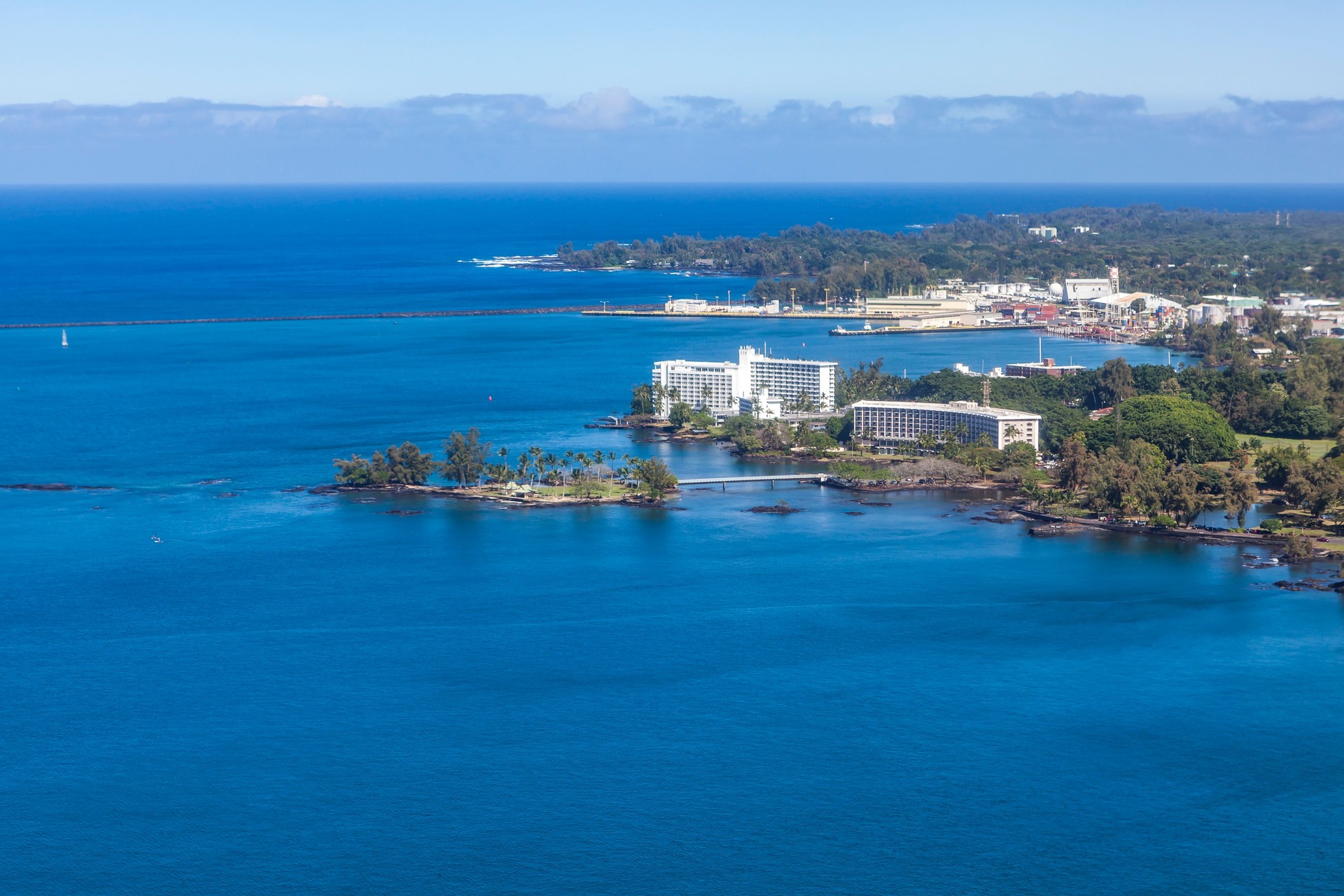
Custom Safety Program Development

Expert OHS Consultation Services
Optimize Government Compliance
OHS AGENCY, based in Kea‘au, Hawaii, specializes in seamless government reporting for workplace safety. Our expert team ensures compliance with Hawaii's specific OHS regulations, minimizing risks and enhancing operational efficiency. Trust us to handle your Occupational Health and Safety needs professionally and reliably. Contact us at P. O. Box 2068, Keaau.
Safety Assured
Hear From Our Partners
OHS Agency provided exceptional support in ensuring our compliance with government reporting requirements. Highly recommend their professional services.

OHS AGENCY made our compliance seamless and stress-free. Their expertise in navigating Hawaii's reporting requirements is unmatched. Highly recommend for any organization needing reliable OHS solutions.
- Kai Thompson

OHS AGENCY transformed our OHS compliance process. Their deep understanding of Hawaii's regulations saved us time and effort. Exceptional service!
- Lani Cruz

OHS AGENCY provided outstanding support in navigating complex OHS regulations. Their thorough understanding of Hawaii's requirements ensured our compliance with ease. A truly reliable partner!
- Nalu Akeakamai
Streamline Your Reporting Process
Partner with OHS AGENCY for seamless compliance with Hawaii government standards. Experience expert guidance tailored to your needs.